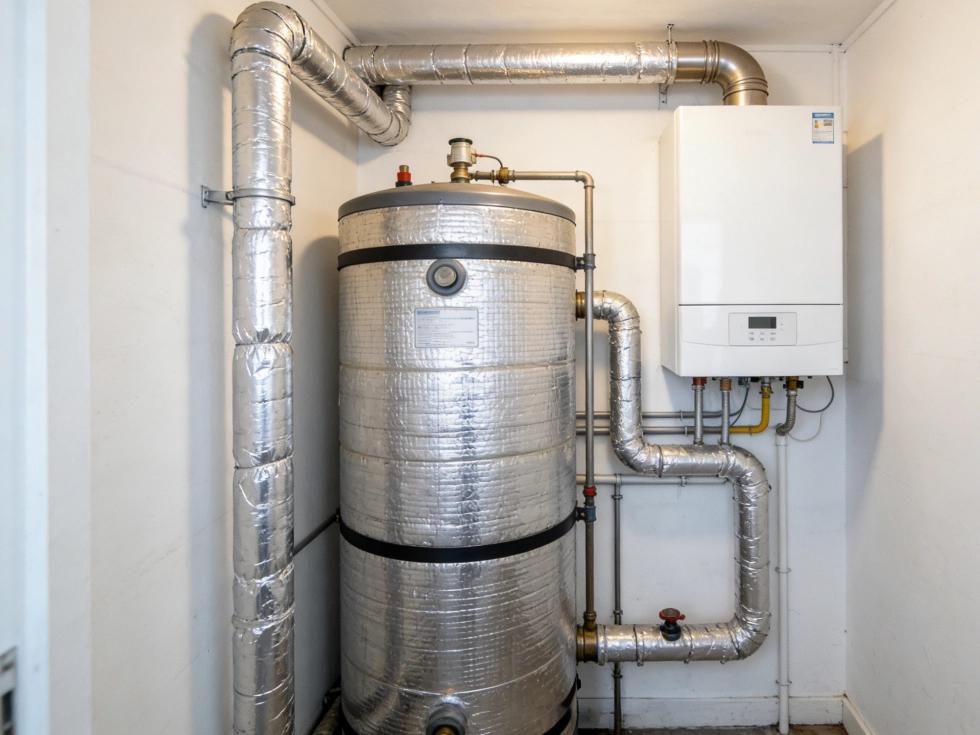
Choosing the correct buffer tank size is an important step when designing or upgrading a residential heating system. A properly sized tank helps store excess heat, stabilize water temperature, and prevent frequent on-off cycling of boilers or heat pumps. However, determining the right capacity is not as simple as selecting the largest available tank. If the tank is too small, it may fail to deliver the expected performance benefits. If it is too large, it can increase installation costs and lead to unnecessary heat loss.
For homeowners considering Buffer water tanks , understanding the main factors that influence sizing can make it easier to select a system that balances efficiency, cost, and long-term reliability.
One of the most important factors affecting buffer tank sizing is the output capacity of the heating equipment, such as a boiler or heat pump. Larger heating systems generate more thermal energy in a shorter amount of time. Without adequate storage capacity, this heat must be released immediately into the system, which can cause frequent cycling of the equipment.
A buffer tank acts as a thermal reservoir, allowing excess heat to be stored temporarily and used later when the system demand increases. This is particularly important for heat pumps, which operate more efficiently when they run for longer, continuous cycles.
The following table provides general guidance for matching heating system capacity with typical buffer tank volumes:
| Heat Source Capacity | Heat Source Capacity |
| 5–10 kW | 100–200 L |
| 10–20 kW | 200–400 L |
| 20–40 kW | 400–800 L |
While these figures can vary depending on system design, they illustrate how higher heating output generally requires larger Buffer water tanks to maintain stable system operation.
Another major factor is the overall heat demand of the building. Homes with larger floor areas, poor insulation, or colder climate conditions require more energy to maintain comfortable indoor temperatures. In these cases, the heating system must deliver greater thermal output, and the buffer tank must be large enough to accommodate fluctuations in demand.
Conversely, energy-efficient homes with good insulation often have lower and more stable heating loads. These systems may require smaller buffer tanks because the heating demand changes more gradually throughout the day.
For homeowners, evaluating building heat demand often involves considering factors such as:
House size and number of rooms
Insulation quality
Local climate conditions
Daily heating patterns
By understanding these variables, it becomes easier to determine whether a small or large buffer tank is appropriate.
The design of the heating distribution system also plays a significant role in buffer tank sizing. Different heating methods store and release heat in different ways.
For example, underfloor heating systems typically contain a large volume of water circulating through extensive piping embedded in floors. This design creates significant thermal mass, which naturally stabilizes temperature fluctuations. Because of this built-in thermal storage, these systems may require a smaller buffer tank.
On the other hand, radiator-based heating systems respond more quickly to temperature changes. While this responsiveness can be beneficial, it also means the system has less inherent thermal storage. In such cases, Buffer water tanks become more important to prevent short cycling and maintain steady system performance.
Many modern homes use multi-zone heating systems, where different areas of the house are controlled independently. For example, bedrooms, living spaces, and basements may each have separate thermostats or heating circuits.
While zoning improves comfort and energy efficiency, it can also create variations in water flow and heating demand. Some zones may require heat while others do not, causing sudden changes in system load.
A properly sized buffer tank helps manage these variations by acting as a hydraulic and thermal buffer between the heat source and the distribution system.
The importance of buffer storage increases as system complexity grows:
| System Type | Load Variation | Buffer Tank Importance |
| Single-zone heating | Low | Moderate |
| Multi-zone heating | Medium | High |
| Hybrid renewable systems | High | Very high |
In systems that combine multiple energy sources—such as heat pumps, solar thermal collectors, or boilers—Buffer water tanks become even more valuable because they help coordinate energy flows from different sources.
Another often overlooked factor is the control strategy used in the heating system . Some modern heating devices use variable-speed compressors or modulating burners that can adjust their output to match demand. These systems may rely less heavily on large buffer tanks because they can reduce output when heating demand decreases.
In contrast, systems with fixed-output equipment benefit significantly from buffer storage. Since these devices operate at a constant power level when active, a buffer tank provides the extra storage needed to prevent frequent start-stop cycles.
Reducing these cycles is important because frequent cycling can lead to:
Lower system efficiency
Higher energy consumption
Increased mechanical wear
A correctly sized buffer tank helps the heating equipment run longer and more efficiently, improving both performance and equipment lifespan.
Selecting the right buffer tank size involves more than choosing a tank based solely on heating system power. Several interconnected factors must be considered, including heat source capacity, building heating demand, heating distribution type, system complexity, and control strategy.
By understanding these variables, homeowners can better evaluate how Buffer water tanks contribute to system stability and efficiency. A properly sized tank not only improves comfort by maintaining consistent temperatures but also protects heating equipment from excessive wear and reduces long-term operating costs.
Ultimately, careful buffer tank sizing helps ensure that a residential heating system operates smoothly, efficiently, and reliably throughout its service life.