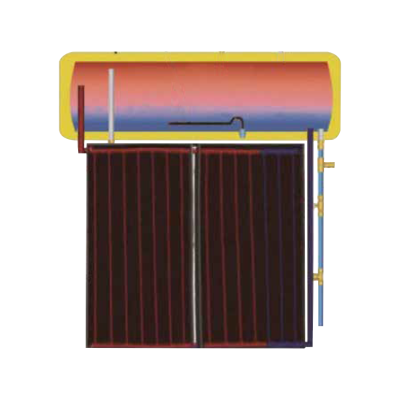
Solar Water Tanks are designed to store and manage thermal energy captured from solar collectors, serving as the core thermal storage component in residential solar hot water systems. Acting as an energy buffer, they retain heated water generated during periods of sufficient sunlight and make it available when demand arises, such as early mornings, evenings, or cloudy conditions.
By efficiently storing solar-derived heat, solar water tanks help maximize the utilization of renewable energy, reduce reliance on auxiliary electric or gas heaters, and stabilize hot water supply temperature. This controlled storage and release of thermal energy improves overall system efficiency, supports consistent household hot water availability, and contributes to long-term energy savings and sustainable operation.
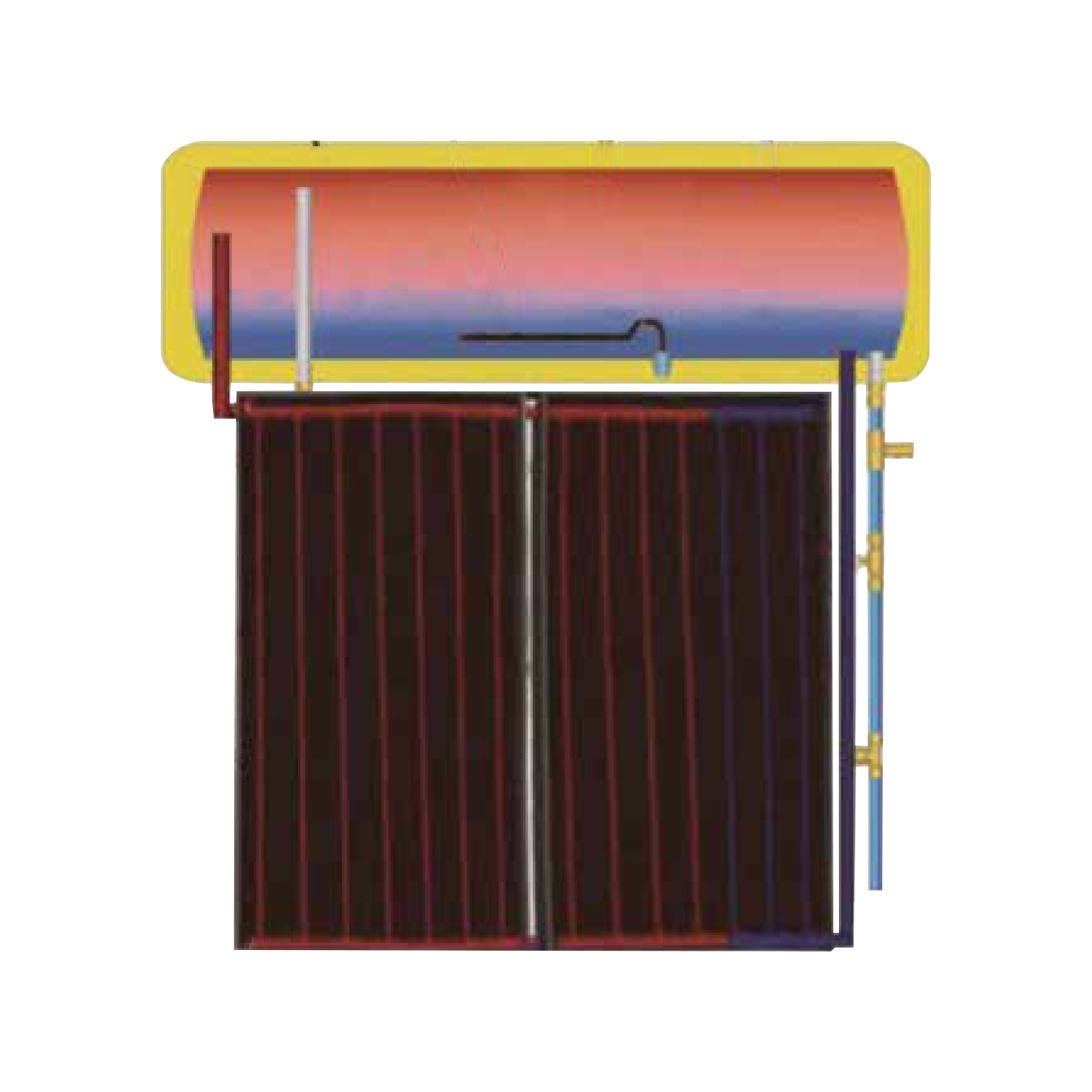
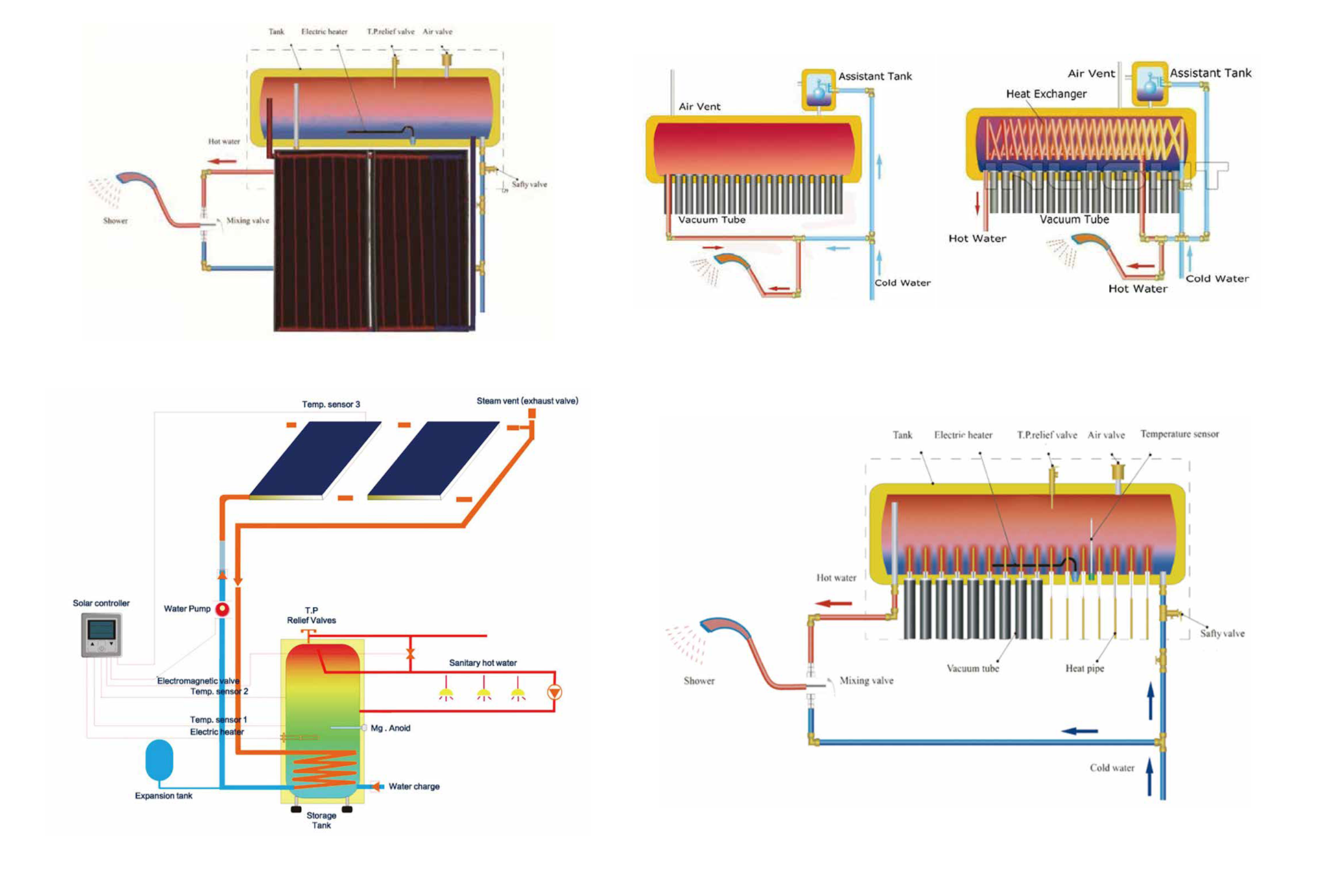
Our solar water tanks are designed to store and retain thermal energy collected from solar heating systems, providing a reliable supply of hot water when solar energy is not immediately available. With insulated storage and flexible system integration, the tanks can be used in residential solar hot water applications and combined with auxiliary heating sources such as heat pumps or electric heaters.
Available in different capacities and configurations, the tanks can be adapted to household hot water requirements, installation conditions, and system layouts. Material selection, connection configuration, insulation, and auxiliary heating options can be customized for different projects.
Learn more about how solar water tanks work. →
A solar water tank works as the thermal storage component between the solar collector and the hot water distribution system. The appropriate tank configuration depends on the collector type, hydraulic circuit, local climate, and whether the system uses direct or indirect heat transfer.
Solar water heating systems may use flat plate collectors or evacuated tube collectors. For systems using a heat exchanger coil, solar energy is transferred indirectly from the collector circuit to the stored domestic water. This configuration separates the collector fluid from the potable water inside the tank and can be suitable for systems using glycol-based heat transfer fluid.
Depending on the system design, the tank can also be integrated with auxiliary heat sources. Electric heating elements or heat pumps can provide additional heating when solar energy is insufficient, such as during cloudy weather, winter operation, or periods of higher hot water demand.
For projects requiring a specific collector type, heat exchanger configuration, or auxiliary heating method, provide the system diagram and operating requirements so the tank configuration can be reviewed before production.
Solar water tank capacity should be selected according to household hot water demand, collector area, local solar conditions, desired hot water temperature, and auxiliary heating strategy. Household size can provide a useful starting point, while the collector area and system design should be considered before final selection.
| Household Size | Suggested Tank Capacity | Typical Application |
|---|---|---|
| 1–2 people | 100–150 L
|
Apartment or small household |
| 3–4 people | 200–300 L
|
Family home |
| 5–6 people | 300–400 L
|
Larger family or multi-bathroom home |
| 7+ people | 400–500+ L
|
Large household or higher hot water demand |
These figures are for preliminary selection only. Actual tank capacity should be confirmed according to daily hot water consumption, collector size, climate, water temperature requirements, peak demand, and the heating system configuration.
For project quotations, provide the number of users, collector type and area, preferred tank capacity, auxiliary heating method, and installation conditions. Our team can then recommend a suitable configuration.
Solar water tanks are available in different installation configurations depending on the system layout and available space.
Vertical installation is suitable for most floor-standing applications and can support effective thermal stratification, with hotter water naturally remaining toward the upper part of the tank.
Horizontal installation can be considered where ceiling height or equipment-room layout limits the use of a tall vertical tank. Connection positions and support requirements should be confirmed according to the selected tank design.
Compact or thermosiphon systems integrate the storage tank with the solar collector and are commonly used where the complete solar water heating unit is installed together.
Split systems place the storage tank separately from the collectors, providing greater flexibility for indoor installation and system layout.
The appropriate orientation and system configuration should be selected according to collector type, installation space, hydraulic design, local climate, and project requirements.
Solar water heating projects can have different connection layouts, installation conditions, and market requirements. We provide customization options for distributors, installers, system integrators, and heating equipment brands.
| Customization Item | Available Options |
|---|---|
| Tank Capacity | Different capacities according to project requirements |
| Connection Layout | Customized port positions and connection sizes |
| Inner Tank Material | Stainless steel or other confirmed material options |
| Heat Exchanger | Coil configuration according to system design |
| Insulation | Different insulation thicknesses |
| Outer Shell | Customized finish and color options |
| Auxiliary Heating | Electric heater port or other confirmed configurations |
| Branding | Logo, nameplate, and product identification |
| Packaging | Export carton, pallet, and project-specific packaging |
For OEM and ODM projects, we can review drawings, connection requirements, target market specifications, and annual purchasing volumes before confirming the final configuration.
Solar energy availability changes with weather, season, and daily sunlight conditions. A properly insulated solar water tank stores thermal energy collected during periods of solar production so that hot water remains available when sunlight is limited. Auxiliary heating can be added when required to maintain hot water availability during periods of insufficient solar input.
This makes solar water tanks suitable for residential systems that combine renewable energy with conventional or electric backup heating. For systems using multiple energy sources, the connection layout and heat exchanger configuration should be determined according to the complete hydraulic design.
Yes. A solar water tank is designed to store thermal energy , allowing hot water to be used even when direct sunlight is unavailable. During cloudy weather, nighttime, or periods of low solar input, the insulated tank retains heat collected earlier. Most residential systems also support auxiliary heating sources, ensuring continuous hot water supply regardless of weather conditions.
Solar water tanks generally require minimal maintenance . Routine checks include inspecting insulation integrity, verifying pressure relief valve operation, and ensuring pipe connections remain secure. Periodic inspection of the inner tank surface helps confirm corrosion resistance and water quality stability. With proper installation and correct material selection, maintenance requirements are low, making solar water tanks a reliable long-term household solution.
Common issues may include insufficient water temperature , unexpected heat loss, or pressure fluctuations. These are often caused by insulation damage, improper system sizing, or air trapped in circulation loops. Checking insulation condition, confirming correct tank capacity, and ensuring proper circulation typically resolve these problems. In systems with backup heating, verifying thermostat and control settings can also restore performance quickly.