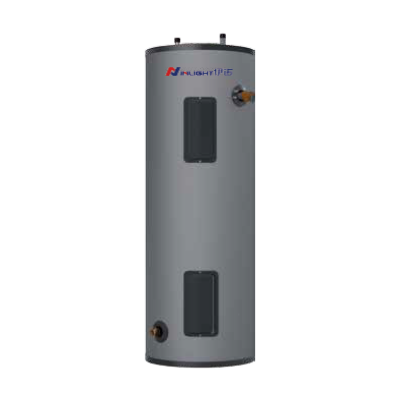
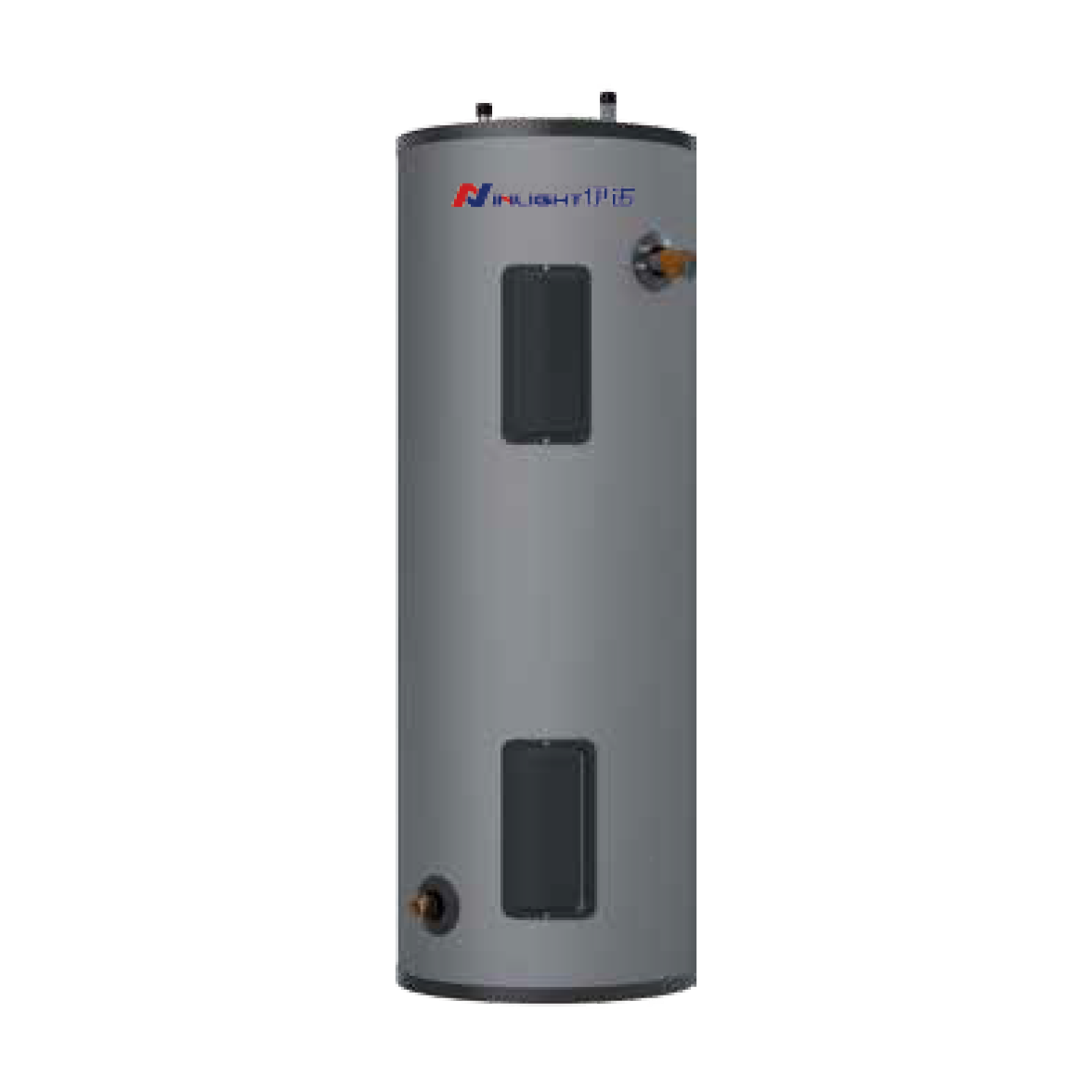
Electric Water Heater Tanks are reliable, efficient storage solutions designed to provide a constant supply of heated water for residential, commercial, and industrial hot water systems. Unlike instantaneous heaters, electric water tanks use built-in electric heating elements to warm and store water within an insulated tank, ensuring a ready reserve of hot water whenever needed. This storage-based design helps meet peak demand periods without delay and maintains stable temperatures through controlled heating and insulation.
Constructed with durable corrosion-resistant materials and advanced temperature controls, these tanks deliver consistent performance, simplified operation, and long service life. By storing preheated water, electric tanks reduce the frequency of heating cycles, support energy-efficient operation, and can be integrated easily with boiler, heat pump, or solar systems for comprehensive hot water solutions. Their straightforward installation and dependable performance make electric water tanks an excellent choice for a wide range of hot water applications.

24 Hours Hot Water

Rapid heating

Customization

High-Pressure Water Supply
| Capacity (L) | 30 50 80 100 120 150 200 250 300 400 500 600 700 800 1000 |
| Inner tank material | SUS304 / SUS316L / Duplex Steel 2205 |
| Outer tank material | Galvanized steel with painting SUS201 / SUS304 / SUS316L |
| Insulation thickness (mm) | 50 standard, optional 45/55/60/80/100 |
| Connection size (inch) | 1/2″ 3/4″ 1″ 5/4″ 6/4″ 2″ |
| Electric heater | 1.5Kw / 2.0Kw / 3.0Kw/ 4.5Kw / 10Kw/ 15Kw |
| Heat exchange material | Vertical / Horizontal / Hanging |
1. This is a stainless steel, pressurized, insulated water tank with an operating pressure of 6 bar and a test pressure of 10 bar for 10 minutes.
2. This tank can be used in household and commercial high-volume water applications.
Efficient Hot Water Storage: Electric Water Heater Tanks store a ready supply of hot water so that it is instantly available when a tap is opened. This stored supply helps avoid delays associated with instantaneous systems and ensures that multiple fixtures can be served simultaneously without significant temperature drops.
Thermostatic Temperature Contro: Most Electric Water Heater Tanks include adjustable thermostats and built-in safety controls that regulate water temperature automatically. These controls maintain set temperatures and prevent overheating, contributing to safe and efficient operation.
Reliable Electric Heating Elements: Heated by one or more electric elements, the system heats incoming cold water and maintains a target temperature. These elements are typically durable, reliable, and designed for continuous cycling to meet typical household demand.
Pressure and Safety Features: Electric tanks are equipped with standard safety devices such as temperature and pressure relief valves and high-limit shutoffs that protect against excessive pressure or temperature. These components are essential for long-term, trouble-free performance and family safety.
Insulated Design: High-quality electric water tanks use thick insulation (often polyurethane foam) to reduce standby heat loss, which helps maintain hot water temperature for longer and reduces overall energy use.
Electric Water Heater Tanks come in a wide range of sizes to suit different household needs. For smaller households or point-of-use applications, compact tanks with lower capacities are available; for whole-house installations, larger capacity tanks are recommended.
Typical residential Electric Water Heater Tank capacities may range from around 30 gallons (110 L) up to 80 gallons (300 L) or more, depending on demand and installation space. These tanks are sized to ensure that a family’s daily hot water needs are met without frequent reheating delays.
Guidelines for household tank capacity often consider the number of occupants and peak usage patterns. For example, a household of 1–2 people might be adequately served by a smaller tank, while a family of 4 or more typically benefits from a larger capacity to ensure hot water is available during simultaneous use at multiple fixtures.
Choosing the right size also involves considering first-hour delivery (how much hot water the tank can supply in an hour), which helps ensure that high-demand periods—such as morning showers or laundry cycles—do not run out of hot water prematurely.
The materials used for both the inner tank and outer shell significantly influence durability, corrosion resistance, energy performance, and water quality.
Inner Tank Materials
The inner tank must withstand hot water temperatures, internal pressure, and long-term exposure to water without degrading. Common options include:
Glass-lined or enamel-coated steel: Provides strong corrosion resistance by preventing water from directly contacting the steel surface, thereby extending service life.
Stainless steel (e.g., SUS304/SUS316L): Offers superior corrosion resistance and does not require a lining. Stainless steel tanks are more resistant to rust and scaling, improving long-term hygiene and reducing maintenance.
Heating Element Materials
Electric heating elements are typically made from corrosion-resistant metals such as copper or stainless steel, which help ensure efficient heat transfer and long service life, even in hard water conditions that can lead to scale buildup.
Outer Tank and Insulation
The outer shell often consists of galvanized steel with protective paint or stainless steel , providing environmental resistance and structural strength. Thick insulation between the inner tank and outer shell helps reduce heat loss and contributes to higher energy efficiency.
The choice of materials directly impacts the tank’s longevity, maintenance requirements, and ability to maintain consistent hot water temperatures. Higher-grade materials such as stainless steel inner tanks and thicker insulation typically deliver better durability and efficiency but may come at a higher initial cost.