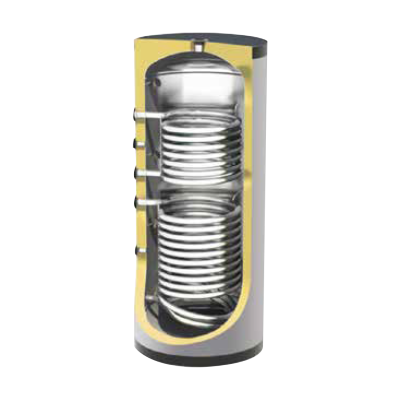
Domestic hot water tanks are designed to store and deliver a stable supply of hot water for residential and commercial applications. Serving as a core component in domestic hot water systems, these tanks maintain water at a consistent temperature, ensuring reliable availability for daily use such as bathing, cleaning, and sanitation.
By separating heat generation from hot water storage, domestic hot water tanks help reduce equipment cycling, enhance system durability, and extend service life. Suitable for standalone or integrated system designs, they provide a dependable and energy-efficient solution for modern hot water supply requirements in homes, apartments, and commercial buildings.

24 Hours Hot Water

Energy Saving

Green House

Customization

High-Pressure Water Supply
| Capacity (L) | 80 100 120 150 200 250 300 400 500 600 700 800 1000 |
| Inner tank material | SUS304 / SUS316L / Duplex Steel 2205 |
| Outer tank material | Galvanized steel with painting SUS201 / SUS304 / SUS316L |
| Insulation thickness (mm) | 50 standard, optional 45/55/60/80/100 |
| Connection size (inch) | 1/2″ 3/4″ 1″ 5/4″ 6/4″ 2″ |
| Electric heater | 1″- 6/4″ 1.5-3Kw 110-240V 50-60Hz |
| Heat exchange material | Stainless steel/TP2 copper |
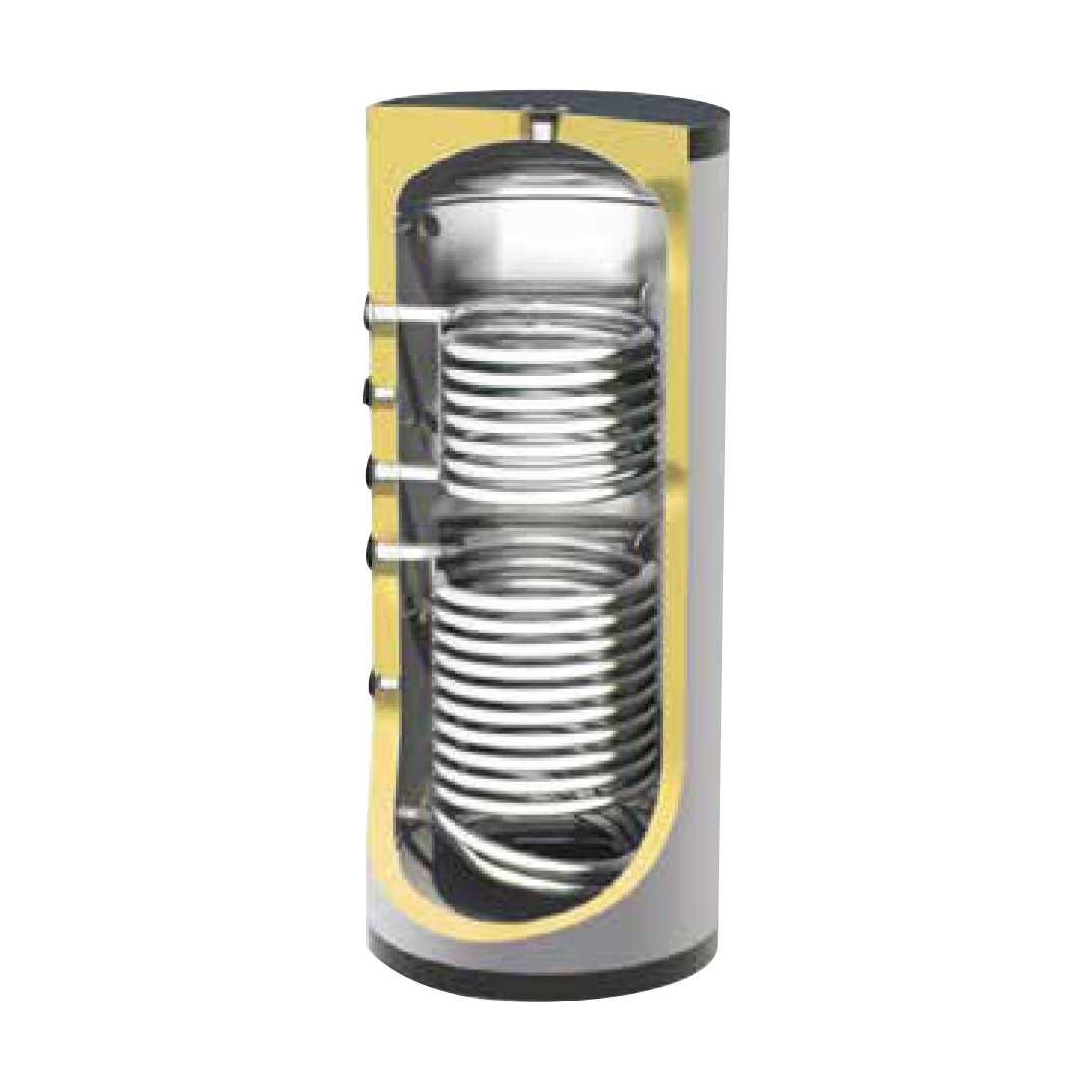
1. This is a stainless steel, pressurized, insulated water tank with an operating pressure of 6 bar and a test pressure of 10 bar for 10 minutes.
2. This tank can be connected to a variety of heat sources (heat pumps, solar collectors, electric heating, gas boilers, etc.)
Domestic hot water tanks are built with multiple safety features to ensure safe operation in residential environments. Modern tanks include temperature and pressure relief valves that prevent overheating or excessive pressure buildup, protecting both the tank and household plumbing. The tanks are typically constructed from high-quality corrosion-resistant materials, such as stainless steel or enamel-coated steel, which prevent leaks and maintain water hygiene. Additionally, tanks are designed to operate at standard domestic water pressures, and their electrical components, if present, meet strict safety standards to reduce the risk of electrical hazards. Proper installation by a certified professional, combined with regular maintenance, ensures that domestic hot water tanks provide safe, reliable hot water for many years.
Domestic hot water tanks are engineered with features that enhance performance, durability, and convenience. The following are some of the key benefits homeowners can expect:
Reliable Hot Water Supply: These tanks store ample hot water at a controlled temperature, ensuring a consistent and dependable supply whenever needed. This is particularly valuable during high-demand periods in household routines.
Energy Efficiency: Well-insulated tanks reduce standby heat loss, helping maintain temperature without requiring continuous heating. This reduces energy consumption and lowers operational costs over time. Premium insulation materials and construction techniques play a significant role in minimizing heat dissipation.
Integration with Multiple Heat Sources: Modern domestic hot water tanks can be connected to a variety of heat sources, including heat pumps, boilers, solar thermal collectors, and electric heaters . This flexibility allows homeowners to incorporate renewable energy sources or hybrid systems tailored to local conditions and energy costs.
Corrosion-Resistant Materials: Quality tanks often use stainless steel internal linings or durable protective coatings, which help maintain water quality, resist corrosion, and extend service life. Tanks constructed with high-grade materials also require less frequent maintenance.
Safety and Control Features: Built-in temperature controls, pressure relief valves, and thermostatic elements ensure safe operation. These features protect the system and occupants by regulating temperature and preventing overpressure conditions.
Overall, domestic hot water tanks contribute to household comfort and operational efficiency while offering flexibility in system design and energy source integration.
Strange Noises: Rumbling, popping, or hissing sounds can indicate mineral buildup or sediment accumulation at the bottom of the tank. Hard water areas are particularly prone to this issue. Periodically flushing the tank to remove sediment can help reduce noise and improve heating efficiency.
Leaks: Any visible water leakage around the tank should be investigated immediately. Leaks can stem from loose connections, corroded fittings, or failed seals. Begin by inspecting all external connections and valves. Tightening loose fittings may resolve minor leaks, but persistent leakage often signals internal corrosion or a failing tank component, which requires professional service.
Temperature Fluctuations: If water becomes too hot or too cold unexpectedly, check the thermostat settings. Incorrect settings can cause frequent cycling or overheating. A professional technician can verify that the thermostat and heating elements are functioning correctly.
Routine maintenance and early attention to unusual sounds or signs of leakage help ensure the tank operates efficiently and safely for many years. If in doubt, contacting a certified technician is recommended to avoid further damage or safety hazards.